
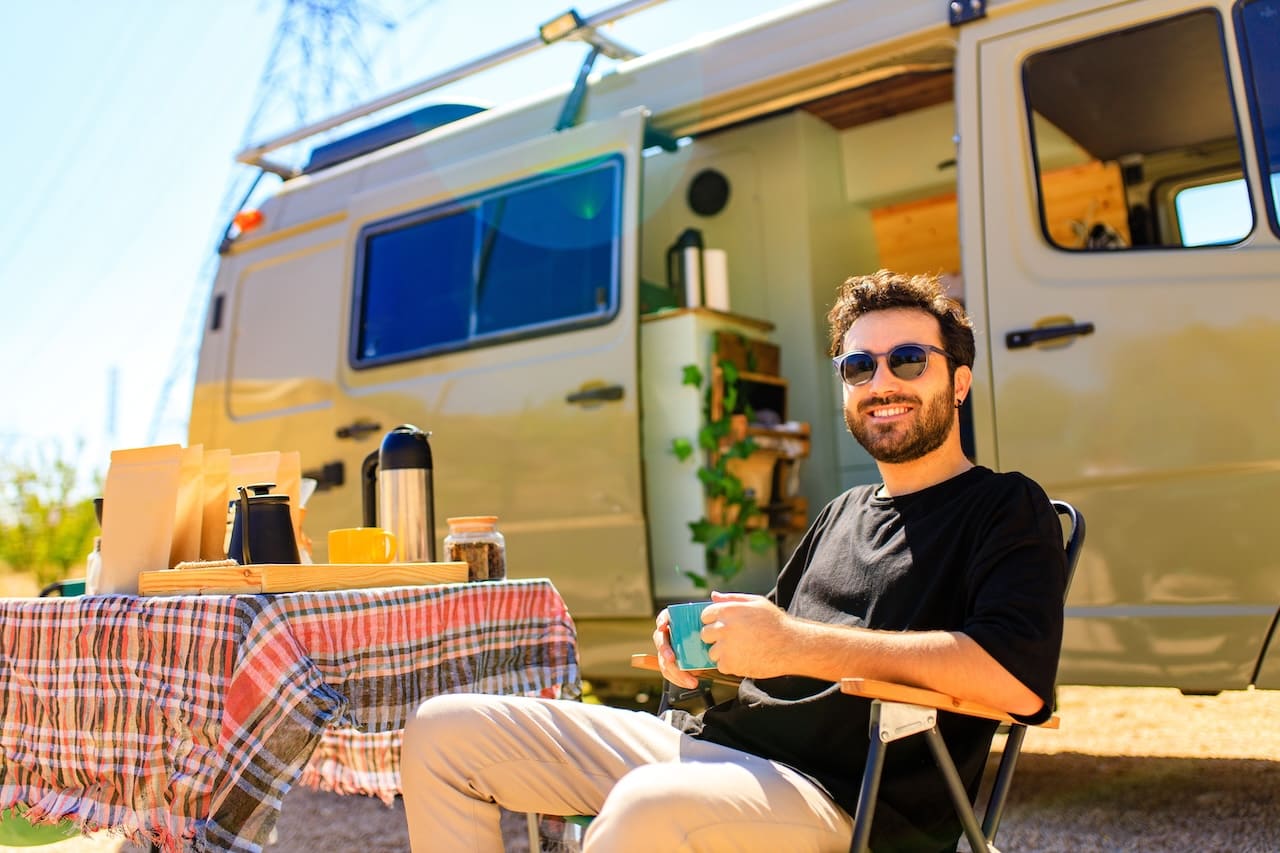
"I want to rent a campervan and try sleeping in the vehicle during my trip."
If that's what you're thinking, aren't you also feeling a bit uneasy about it?
"Where should I park to sleep?" "How much electricity can I use?" "What about the toilet?"
Sleeping in a campervan requires its own set of rules and preparations that differ from staying at a hotel or regular camping. If you head out without knowing the basics, your dream trip could turn into one full of worries.
This article clearly explains the "10 things you should know" for first-time campervan sleepers. Read this beforehand, and you'll be able to enjoy your first night in a campervan with confidence.
The first thing to remember about sleeping in your vehicle is the rule of "where you're allowed to park and sleep."
Suitable places for overnight stays
Places that require caution
Overnight stays in regular coin parking lots or commercial parking areas are generally prohibited. Parking on the street is, of course, a violation.
Many people wonder, "Is it okay to sleep at a Michi-no-Eki?" Taking a nap there isn't prohibited. Just remember that these are "rest facilities" for drivers, so it's essential to follow etiquette—don't leave your engine running, don't litter, and so on.
For beginners, we recommend starting with an RV Park, where you can relax with peace of mind thanks to the well-maintained facilities.
Campervans are equipped with a dedicated power source called a "sub-battery." This allows you to use lighting, charge your phone, run a fan, and more while the vehicle is parked.
Easy-to-use appliances (low power consumption)
Appliances requiring caution (high power consumption)
High-power appliances—especially air conditioners during summer—can drain your sub-battery in no time without an external power source (available at facilities like RV Parks). You can check your remaining battery level on the in-vehicle monitor, so be sure to check it frequently as you use power.
Depending on the type of battery installed, some can only be used down to about 50% capacity. A common mistake among beginners is using electricity as freely as they would at home, only to have the safety device trigger and shut everything down. Be sure to check with the shop before departure about what you can use and for how long.
Be careful with vehicles labeled as having "air conditioning." On many vehicles, there's a limit to how long the AC can run on battery power alone. This means that in most cases, you won't be able to run the AC all night during a hot, humid night.
Summer tips
Winter tips
When renting, always ask the shop whether the AC and heater can be used while parked. This is one of the most important factors affecting your comfort.
"Does the campervan have a toilet?" is a common question among beginners, but not all vehicles come with one.
For vehicles that do have a toilet, most use a cassette-style portable toilet. When the waste tank is full, it needs to be emptied at a disposal facility, such as at an RV Park or campsite. Be sure to ask the rental shop staff in advance how to handle the disposal process.
As for showers, currently few vehicles are equipped with one. Because of this, making good use of hot springs at Michi-no-Eki, day-use bathhouses, and super sento (large public baths) has become a standard part of enjoying a campervan road trip.
Preparing wet wipes, body sheets, and simple toiletries in advance will help you stay comfortable even on days when you can't take a bath.
Depending on the model, campervans vary greatly in the number of people they can sleep, sleeping comfort, and bed size. Before renting, keep in mind that the "passenger capacity" and "sleeping capacity" may differ.
For example, a vehicle with a "passenger capacity of 6" might only have a "sleeping capacity of 4." If you're traveling with 4 adults, be careful—choosing a vehicle rated for exactly 4 sleepers could feel cramped.
Tips for a comfortable sleep
"The bed was smaller than expected once we set it up" or "It was too bright to sleep at night" are common complaints. With a bit of advance checking and preparation, you should be able to sleep soundly.
Campervans are larger than standard passenger cars, so driving and parking take some getting used to.
Points requiring extra caution
Also, the number one safety measure on highways is to drive slowly (cab-over campers typically top out around 80 km/h). Avoid speeding, and stay in the left lane at a steady, moderate pace.
Since long drives are common, make sure to take a break at least once every two hours. Accidents caused by fatigue can ruin the entire enjoyment of your trip.
Campervans come equipped with a freshwater tank, allowing you to use water inside the vehicle. However, since the capacity is limited, you'll need to refill it regularly at RV Parks or campsites.
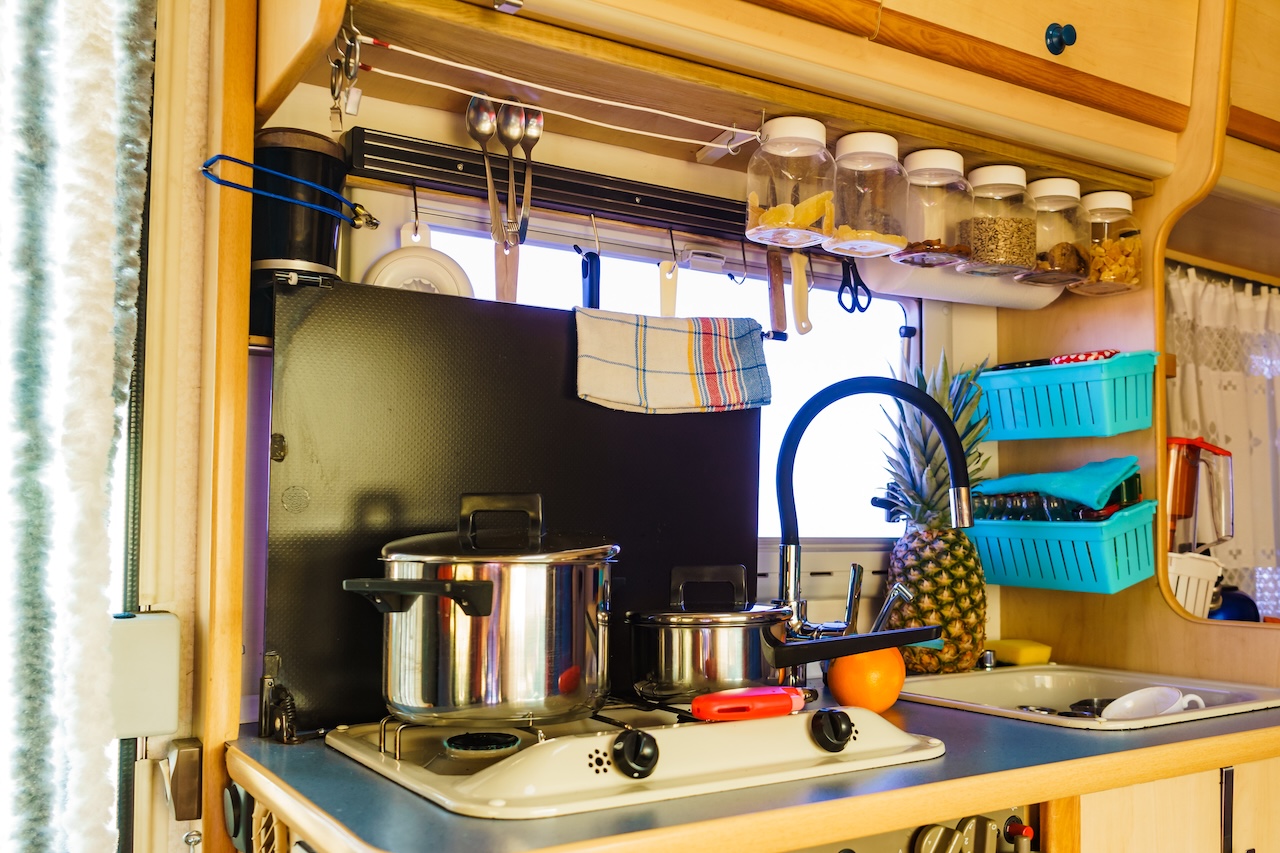
Some vehicles come with cooking equipment (portable gas stove, pots, dishes, etc.), but not all do, so be sure to check before renting.
Points to note about cooking inside the vehicle
Trash disposal requires special attention. Throwing trash away in bins at Michi-no-Eki is considered a breach of etiquette. Always take your trash with you and dispose of it at home or at a campsite that accepts it.
When sleeping in your vehicle at a Michi-no-Eki or highway rest area, the interior can sometimes be seen from outside. Using a sunshade or blackout curtains to block the view not only protects your privacy but also serves as a crime-prevention measure.
Always lock all doors while sleeping, and keep valuables out of sight.
For women traveling alone or beginners, staying at an RV Park or campsite with an on-site manager is especially recommended. It provides peace of mind, knowing you can get help right away if needed.
Don't forget to save the rental shop's emergency contact number and roadside assistance number on your smartphone before departure.
Sleeping in your vehicle can be a pleasant experience thanks to those who came before you and followed proper etiquette. It's important for you to do the same, for the sake of the travelers who will come after you.
Basic etiquette
These small acts of consideration help maintain good relationships with local residents and facilities, and help preserve the culture of vehicle-based overnight travel.
Here are the things to check at the end of your enjoyable trip, so your vehicle return goes smoothly.
Pre-return checklist
It's especially important to build in extra time for your return. Plan your schedule with traffic delays and refueling time in mind.
Let's recap the 10 things you should know for your first campervan overnight stay.
With the right preparation and knowledge, your first campervan overnight stay is sure to become a wonderful memory. The freedom of having "your own bed, anywhere you go"—something you simply can't experience at a hotel—is addictive once you've tried it.
Why not start by finding the campervan and rental shop that's right for you?
▶ Find campervan rental shops across Japan → Campingcar Map
▶ Not sure which vehicle to choose? → How to Choose a Rental Campervan
▶ Want to check what to bring on rental day? → What to Bring on Your Campervan Rental Day
 Sep 16, 2026
 Sep 15, 2026
 Aug 10, 2026
 Apr 6, 2026