
When researching campervan rental rates, you're probably wondering, "Besides the listed price, how much will I actually end up paying?"
The short answer: the only additional costs are "coverage" and "options." According to the rental shops we interviewed, most customers use their campervan in a way that requires almost nothing beyond the base rate. In this article, we list every possible additional cost and sort out which ones you actually need and which you don't.
For general pricing, see What's the average price for renting a campervan?, and for how coverage works, see A clear explanation of insurance and coverage.
Compare rates while you search → Find a campervan near you
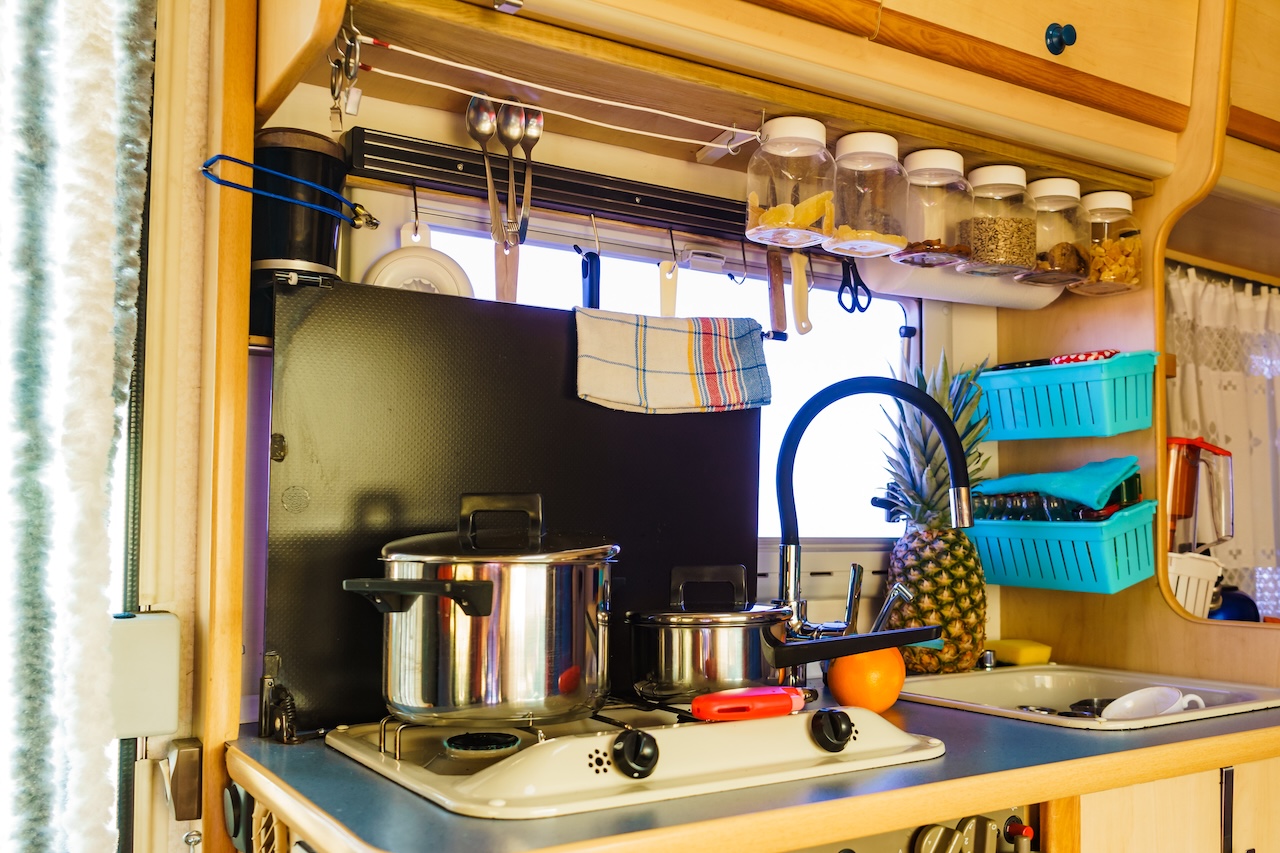
The base rate is the "cost of renting the vehicle." At the shops we interviewed, basic amenities like tissues, wet wipes, and a kettle for boiling water are included free of charge, while other camping gear is offered as a paid option.
Here's how the line is drawn, in table form.
| Category | Details | Cost |
|---|---|---|
| Base rate | Vehicle rental fee, standard equipment | Listed price |
| Coverage | Deductible waiver, NOC coverage (optional) | Additional |
| Options | Bedding, camping gear, child seat, etc. | Additional (only what you use) |
| Depends on usage | Extension fees, mileage fees, pet fees | Depends on shop and usage |
| Fuel | Full-tank return | Actual cost |
What counts as standard equipment versus an option varies by shop. In particular, bedding (sheets, futon) may be "included as standard," "an option," or "something you bring yourself"—so be sure to check before booking.
Campervan rentals come with auto insurance, but there's a "deductible" amount you'd have to pay out of pocket in case of an accident. A deductible waiver reduces this to zero. There's also an NOC (Non-Operation Charge) that may be billed to cover the period the vehicle is out of service due to an accident or damage—NOC coverage protects you against this.
At the shops we interviewed, about 80% of customers sign up for coverage. Most people return without any incidents, but occasional scrapes do happen. Since campervans are specialized vehicles, even small scratches can lead to expensive and time-consuming repairs, unlike with regular cars. Shops themselves recommend getting coverage.
The details and cost of coverage vary by shop. For more information, see A clear explanation of insurance and coverage.
Options let you add what you need—bedding, cooking equipment, tables and chairs, child seats, and more.
Surprisingly, the shops we interviewed told us that "more customers skip the options than add them." The reason lies in how people use their campervans.
In other words, it's "not really camping." In this case, all you need is the vehicle and a place to sleep, so the base rate plus coverage is all you'll need.
On the other hand, if your travel style involves cooking and eating outdoors, you'll need options like tables, chairs, and cooking equipment. Once you decide which style fits your trip, you'll have a clear idea of any extra costs.
By the way, one shop we interviewed includes free Wi-Fi, which families appreciate since kids can watch videos during the drive. It's worth checking shop pages for these kinds of complimentary extras, as they can save you money.
These costs vary depending on whether the shop charges for them at all.
Regarding extension fees, the shop we interviewed emphasized: "There's no point rushing to make the return deadline if it causes an accident." They tell customers that if they get stuck in traffic and might be cutting it close, they should stay calm and contact the shop first. Extension fees are a fixed, pre-explained amount, so there's no room for disputes.
Generally, you pick up the vehicle with a full tank and return it with a full tank. You'll refuel at a nearby gas station right before returning the van.
As a rough fuel economy guide, the vehicle at the shop we interviewed (a diesel cab-conion) gets about 8-9 km per liter. Customers often say, "It gets better mileage than I expected." For example, if you drive 400 km over a 2-night, 3-day trip, you'd use roughly 45-50 liters of fuel. Multiply that by the price of diesel to estimate your fuel cost.
The type of fuel (gasoline or diesel) varies by vehicle, so be sure to confirm this when you pick up the van.
Cancellation fee rates vary by shop, but the shop we interviewed noted that many shops charge the full amount for cancellations made the day before or the day of.
One thing to watch out for: cancellations due to weather are generally not accepted. This is because campervans can be used even in the rain, and even if your original plan falls through, you can adjust how you use the vehicle to fit the situation.
If the weather looks like it might turn bad, instead of canceling, try asking the shop: "It's supposed to rain at the campsite, so I'd like to change my destination. Do you have any RV park recommendations?" Local shops often have great alternative suggestions, so you won't have to give up on your trip entirely.
As long as everything is explained upfront, additional costs shouldn't come as a surprise. "Transparent pricing" is something the shops we interviewed take seriously.
Compare rates and equipment while you search → Find a campervan near you
You might also like
This article was created by the Camping Car Map editorial team based on interviews with multiple campervan rental shops listed on Camping Car Map. Pricing structures vary by shop.
 Sep 15, 2026
 Aug 10, 2026
 Apr 6, 2026
 Apr 6, 2026