
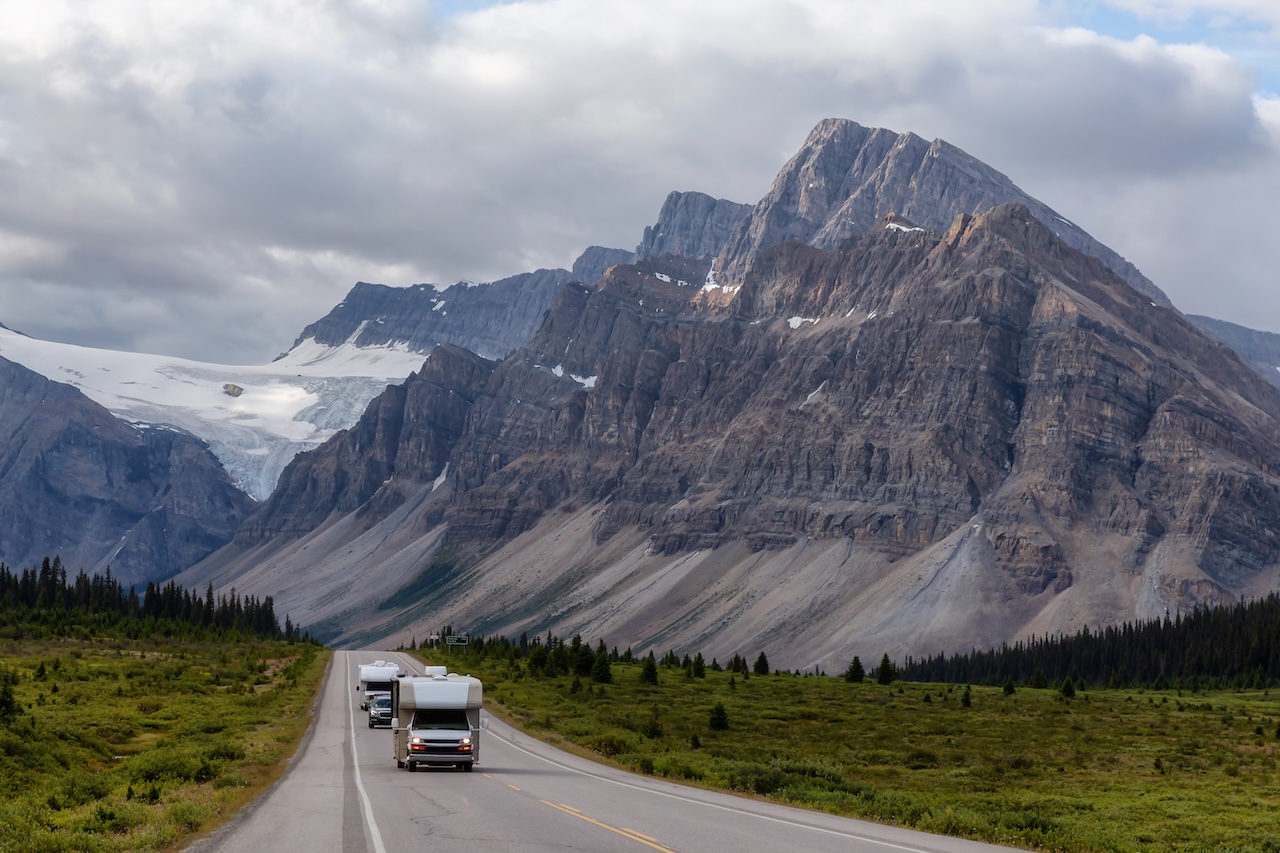
"Is it really difficult to drive a campervan?"
This article explains the driving points for Cab-Conversion campers (Cab-Con) — a type built by adding a living space onto a truck chassis, with the distinctive feature of a bed that overhangs above the driver's seat — which are especially popular for rental.
When we asked rental shops directly, the answer we got was: "You get used to the actual driving quickly. But whether or not you know the danger points that differ from regular cars makes all the difference."
Accidents tend to happen in pretty much the same spots. Based on interviews with multiple rental shops listed on Camping Car Map, here are the precautions they always share before handing over the keys, ranked from the most common accident type. For details on the license you'll need, see Can You Drive with a Regular License?, and for what happens on the day, see The Flow of Rental Day.
Looking for a Cab-Con? → Search for campervans near you
The very first and most strongly emphasized point that shops handling Cab-Cons make when handing over the vehicle is: keep your speed under 80 km/h.
There are two reasons for this.
It's tempting to speed up to keep pace with highway traffic, but sticking to a maximum of 80 km/h is standard practice when driving a campervan.
The first thing shops we interviewed mentioned as a "common accident" was contact while backing up. The cause lies in the shape of the vehicle.
Cab-Cons have a long overhang (the part of the body extending behind the rear wheels). Because of this, even if you're careful about the wheel stopper at a convenience store, the rear end of the vehicle can hit a wall before the tires reach the stopper.
The pitfall is assuming, as you would with a regular car, that "it's fine as long as I stop before the wheel stopper." When reversing, keep the position of the rear end in mind, and if possible, have a passenger get out and guide you for safety.
Another common accident is scraping something due to the inner wheel difference when turning left. The inner wheel difference refers to the fact that the rear wheels trace a tighter path than the front wheels when turning — and the longer the vehicle, the bigger this difference becomes. This often results in the rear left side of the vehicle scraping against a utility pole or guardrail at narrow intersections or parking lot entrances.
The solution comes down to one thing: "turn wide." Consciously make a wider turn than you normally would, keeping a path where the rear wheels stay clear of curbs and poles. Rather than theory, what matters is developing that feel of turning "wider than usual."
Cab-Cons are tall, and in addition, there's a bunk (the section that juts out at the front, often used as a bed) right above the driver's seat. This bunk and the roof can catch on low obstacles that you wouldn't normally think twice about. Here are specific examples the shops we interviewed gave:
In particular, you should assume that drive-throughs are basically unusable. Places where you think you're "just popping in for a moment" are exactly the spots where people don't habitually check overhead clearance, making accidents more likely. Be sure to ask the height of your vehicle when you pick it up, and keep the number in mind.
Bridges, tunnel exits, and bridges spanning valleys — highways have many spots like these with strong crosswinds.
Campervans are heavy and have a high center of gravity, making them especially susceptible to crosswinds. At high speeds, this can even be dangerous on curves.
The response is simple: if you get buffeted, slow down, and don't make sudden steering movements. That's it.
Many actual customers report, "I got used to driving quickly, but I felt anxious when the wind was strong." Some customers even slow down to under 50 km/h on windy days, even when the speed limit on a bridge is 60 km/h. That's exactly the right approach.
At the shops we interviewed, thanks to explaining these precautions before rental, accidents are reportedly rare — just a few per year. On the other hand, we've heard that shops with less thorough explanations see more incidents. Knowing the dangerous spots in advance and staying conscious of them while driving is the single most effective countermeasure.
During busy seasons like Golden Week, news of rental campervans rolling over seems to happen almost every year. These accidents occur when speed, crosswinds, and sudden steering combine. Simply keeping the contents of this article in mind can greatly reduce your chances of an accident.
Many shops don't allow people who just got their license to drive, or set conditions such as at least 2 years of driving experience. Be sure to check the shop's requirements before booking — including for any passengers who plan to take turns driving.
Right before departure, the words shops we interviewed always say are: "Please start off by driving slowly." If you drive slowly for the first few kilometers, you'll get a feel for the vehicle's width and braking.
Looking for a Cab-Con? → Search for campervans near you
You Might Also Like
This article was written by the Camping Car Map editorial team based on interviews with multiple campervan rental shops listed on Camping Car Map. Other types such as van conversions (Van-Con) and light campers have different body sizes, so the precautions may differ. Vehicle characteristics and conditions vary by shop and vehicle.
 Sep 16, 2026
 Sep 15, 2026
 Aug 10, 2026
 Apr 6, 2026