
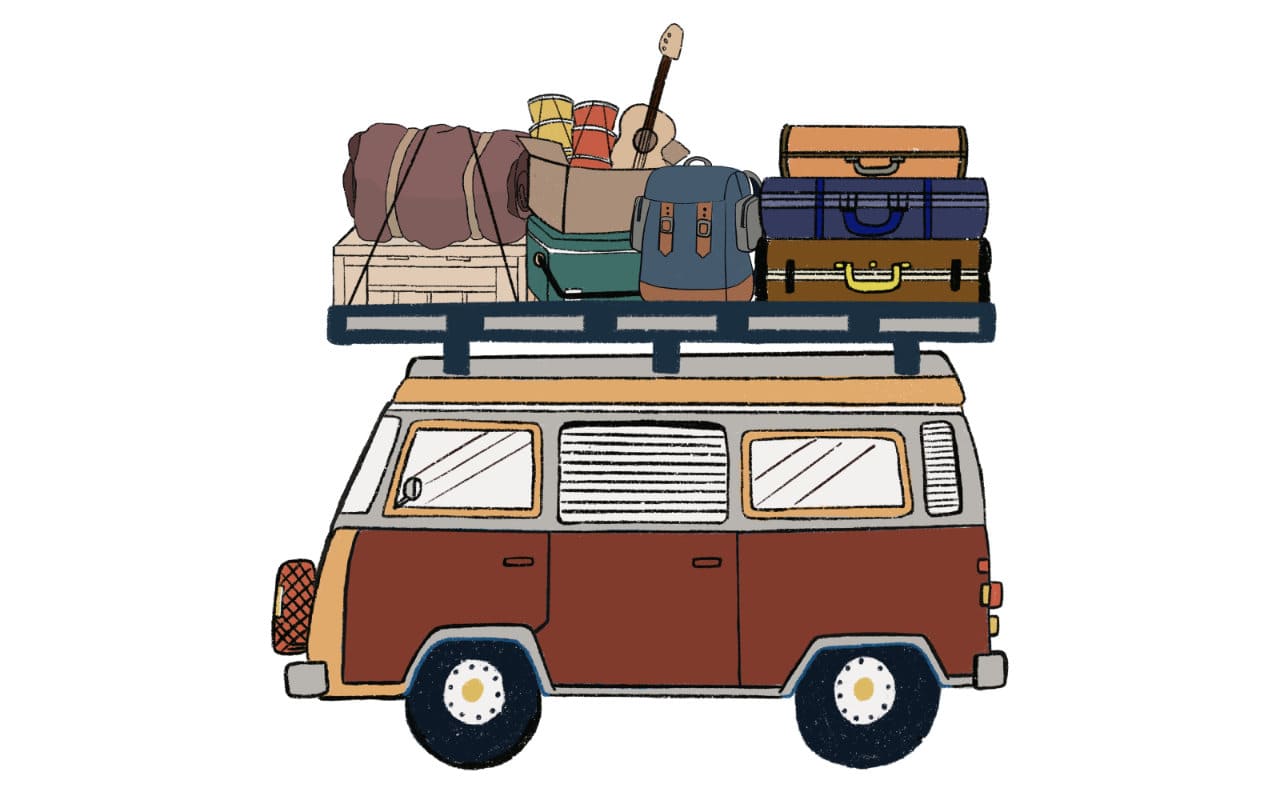
More than half of the people who rent a campervan are first-time users.
With these beginners in mind, let's go over what you'll need to bring on the day of your rental.
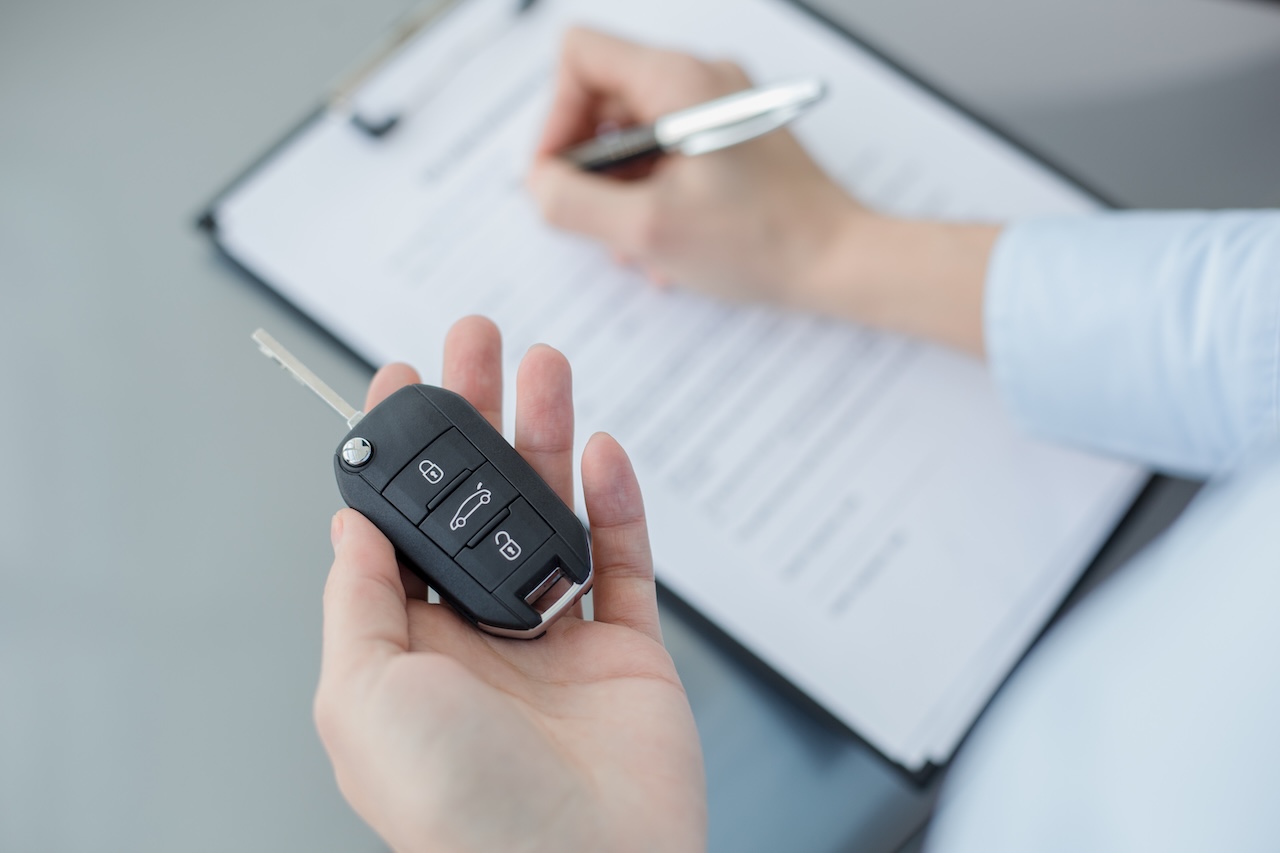
You'll need to present your license when picking up the vehicle.
If multiple people will take turns driving, everyone who drives needs to present their license. If someone drives without having shown their license and gets into an accident, insurance coverage may not apply.
Also, some vehicles may require a semi-medium size license, so be sure to check the requirements when booking.

Most vehicles come equipped with an ETC device.
Be sure to bring your regular ETC card with you.
Keep your pickup/return times, shop contact information, and plan details ready to show at any moment.
Taking a screenshot or saving a PDF lets you check these details even offline, which gives extra peace of mind.
If you're traveling by campervan, you'll likely be staying at least one night.
Bring sleepwear and a change of clothes for the next day, and pack an extra set of socks and underwear in case you get sweaty or caught in the rain.
Not many rental campervans come equipped with a shower, so you'll likely be using hot spring facilities or showers at your destination.
Packing a simple kit with just a hand towel and bath towel in advance will make your evenings go smoothly.
Depending on the rental shop, some of the following items may already be provided as standard equipment, or may be available to rent for an extra fee.
Checking in advance may help you pack lighter.
Some shops offer sleeping bags for rent, but generally you should assume bedding is not provided.
Since whether or not you need bedding greatly affects how much luggage you'll bring, this is definitely something to check in advance.

Many campervans have a USB-A port for direct power access.
If you only have a Type-C to Type-C cable, it may not work, so check in advance.
Since your phone will be used frequently for searching nearby spots and navigation during your trip, causing the battery to drain quickly, be sure to bring a charging cable.
These are handy items to have.
They come in useful for many situations, from wiping hands and mouths to quick dish cleaning and tidying up the interior of the vehicle.
If they're not provided with the rental vehicle, be sure to bring your own.
Few vehicles come with toothbrushes provided like a hotel would.
These are not only useful for collecting trash, but also come in handy for unexpected situations like storing rain-soaked clothing or wet towels.
Just like regular cars, campervans require children under 6 years old to be seated in a child car seat while driving.
Your own child seat may not be compatible with the campervan, so be sure to check with the shop whether one can be rented.
These help reduce dishwashing, saving both water and time.
Even if the vehicle has a sink for washing dishes, drying and storing them takes up space, so disposable items are convenient.
Since campervan trips often involve outdoor activities, it's reassuring to have even a small kit with band-aids, disinfectant, regular medication, and motion sickness medicine.
Most campervans require you to remove your shoes before entering.
Since you'll be taking your shoes on and off often, bringing sandals or other easy-to-remove footwear will make getting in and out much smoother.

These are handy for storing outerwear or hanging wet items to dry.
They're a great way to make the most of the limited interior space, such as for hanging towels after bathing.
The size of storage space inside the vehicle varies depending on the model.
Hard suitcases often don't fit well, so pack your clothes and other items in a bag that isn't too large.
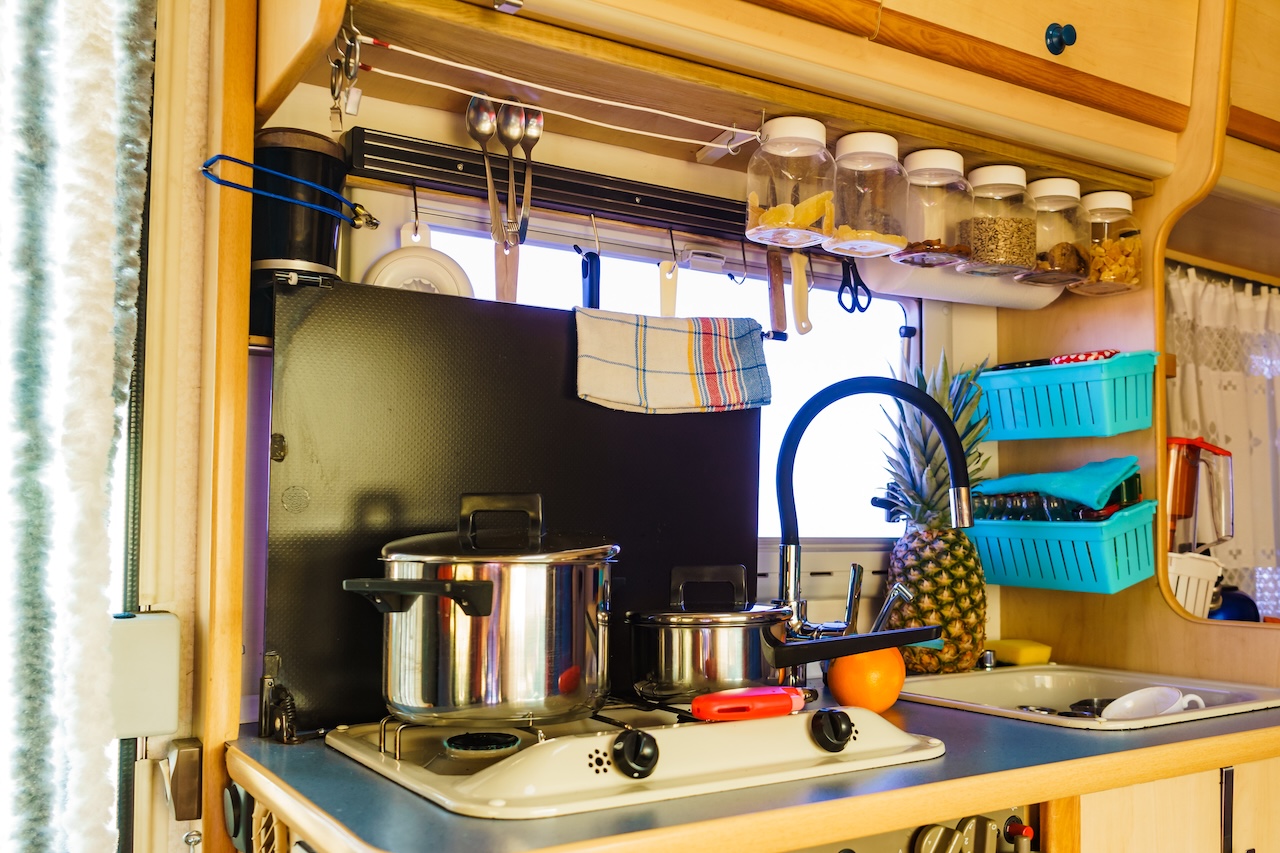
Many vehicles come equipped with a gas stove and sink, but cooking that produces strong odors or oil splatter is strictly prohibited.
If the interior ends up smelling like grilled meat, for example, you may be charged for restoration costs or compensation for the shop's downtime.
Assume that cooking inside the vehicle should be limited to simple tasks like reheating food.
On longer trips, your laundry is bound to pile up.
If your trip is longer than 3 nights, be sure to schedule in about 1 to 1.5 hours at a coin laundromat for washing and drying.
It's also handy to have something like a laundry basket to collect your worn clothes.
The items provided with the vehicle vary greatly depending on the rental shop.
Be sure to check the rental shop's website to see whether the items introduced here are included.
The more luggage you bring, the more work it takes both to prepare and to clean up after you return.
Packing with the mindset of "what can I leave behind?" is the first step toward a comfortable trip.
 Sep 16, 2026
 Sep 15, 2026
 Aug 10, 2026
 Apr 6, 2026