
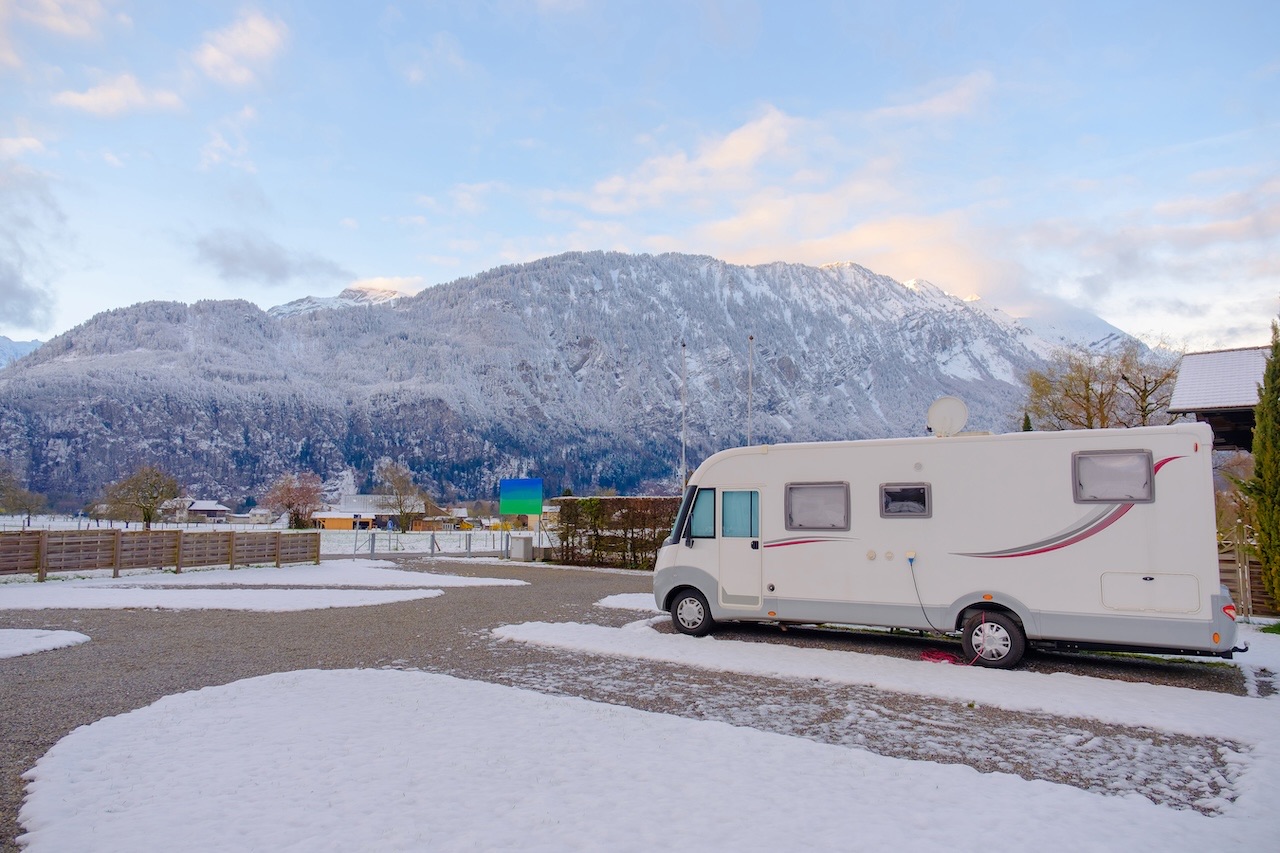
"Isn't it cold to go camper van traveling in winter?" — In short, winter is actually a surprisingly good season for campervans.
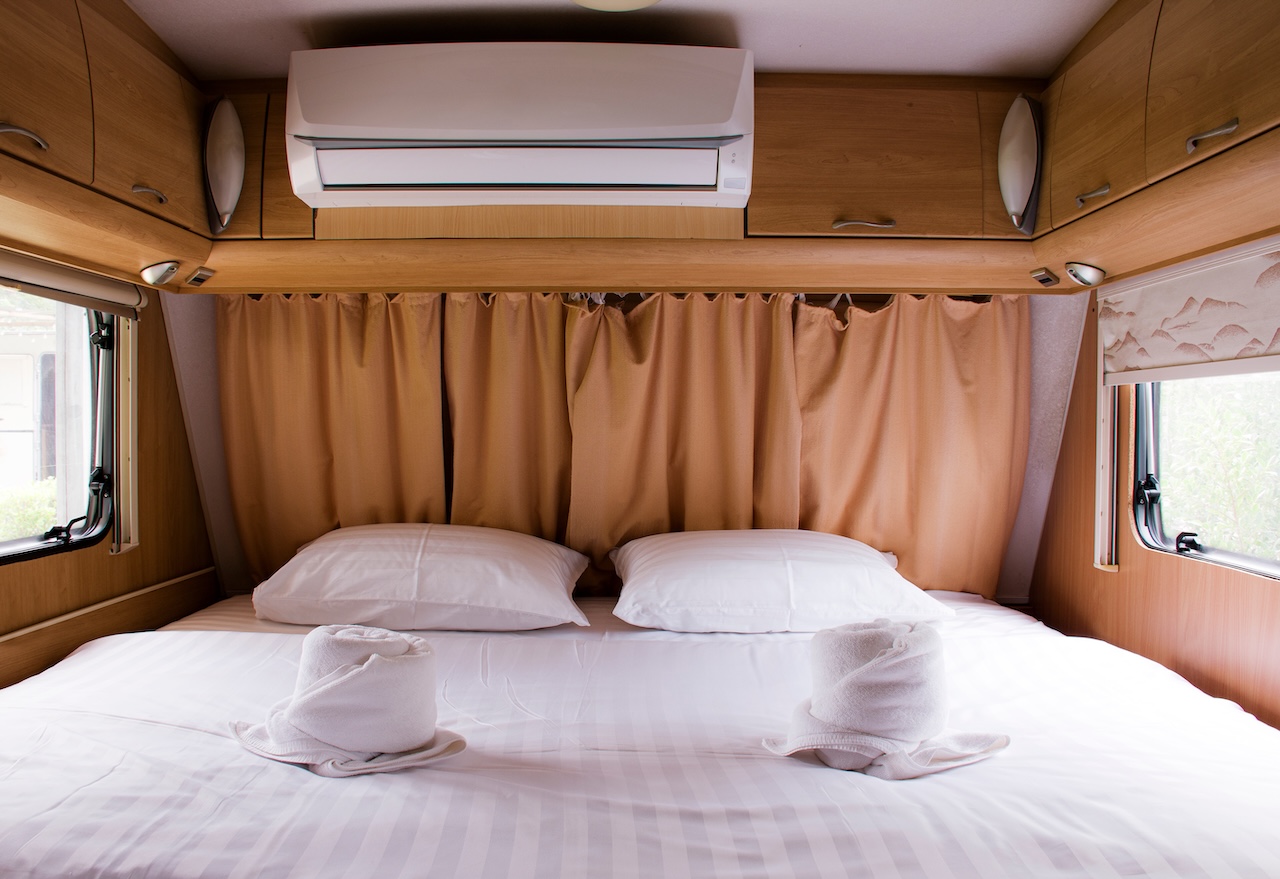
Most campervans come equipped with a heating system called an "FF heater," which lets you keep the interior warm all night long without running the engine. What's more, winter is the off-season for rentals, so it's easier to book even popular vehicles — and it pairs perfectly with skiing and hot springs.
That said, there are a few things to watch out for in winter. In most cases, the onboard water systems can't be used, as a precaution against freezing, and some shops don't come with studless tires as standard, so if you're heading to a snowy area, be sure to check before booking.
In this article, based on interviews with rental shops listed on Campingcar Map, we've put together everything you need to know about renting a campervan in winter.
Looking for a campervan you can rent in winter? → Search for campervans near you
An FF heater is a heating device that gradually uses the vehicle's fuel (gasoline or diesel) to warm the interior of the vehicle. Since it works without running the engine, it's fine to use even at campsites or roadside stations (michi-no-eki) where idling is prohibited. Just press the switch and it's ready to go.
The mechanism is simple and reassuring. It burns fuel to heat the air inside the vehicle, but it's designed so that combustion draws in outside air and exhaust is vented straight back outside. In other words, exhaust or combustion gases basically never enter the cabin, so it's safe to use even with the vehicle closed up. The one thing to watch out for is the exhaust outlet. Since the exhaust vent is located outside the vehicle, make sure it doesn't get blocked by accumulated snow while it's snowing.
According to the rental shops we interviewed, here's what real-world use looks like:
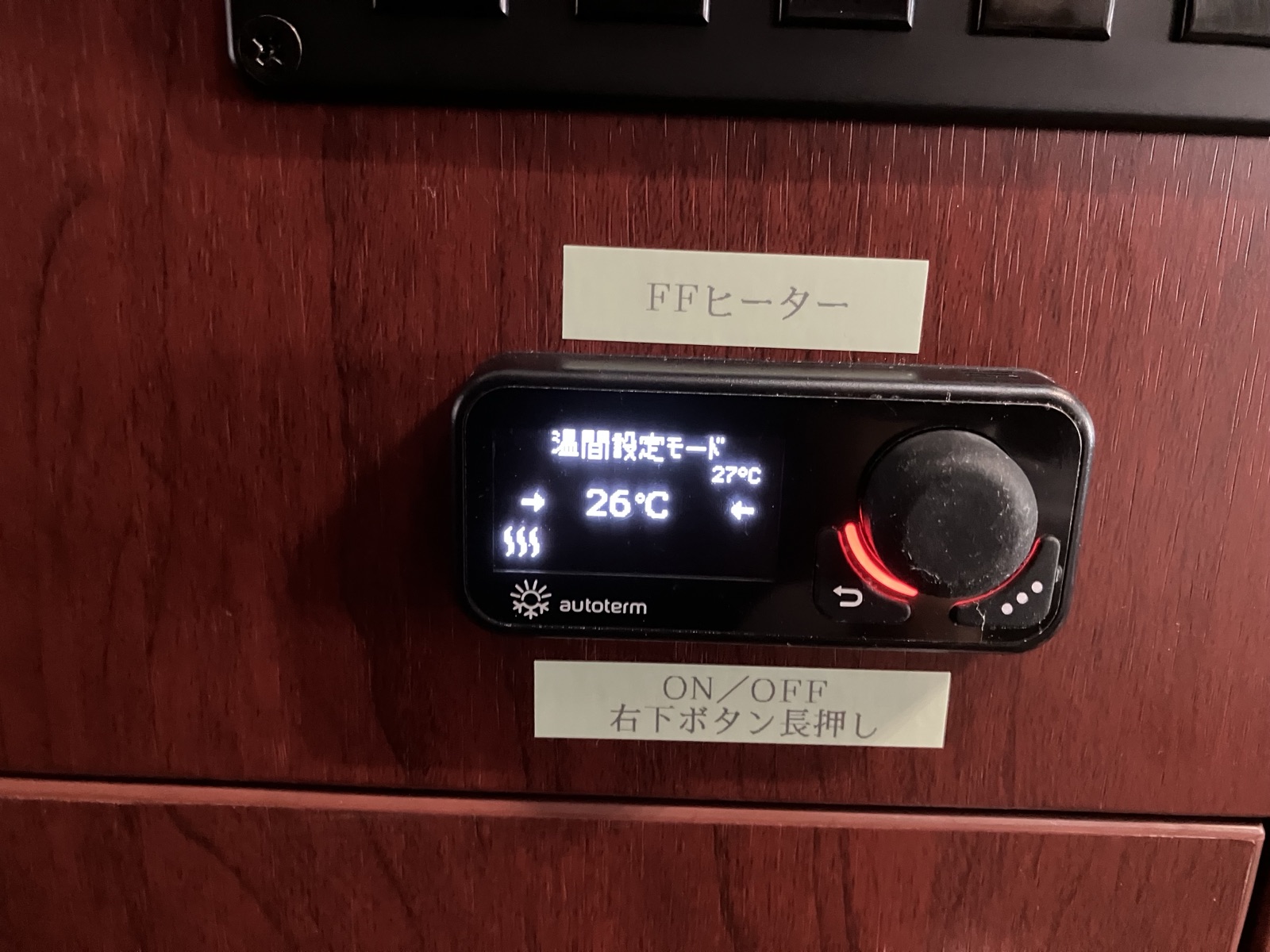
According to data listed on our site (as of August 2026, 1,184 vehicles nationwide), 830 vehicles — about 70% — list an FF heater in their equipment details. If you're renting in winter, be sure to check the equipment list on the vehicle page for whether an FF heater is included.
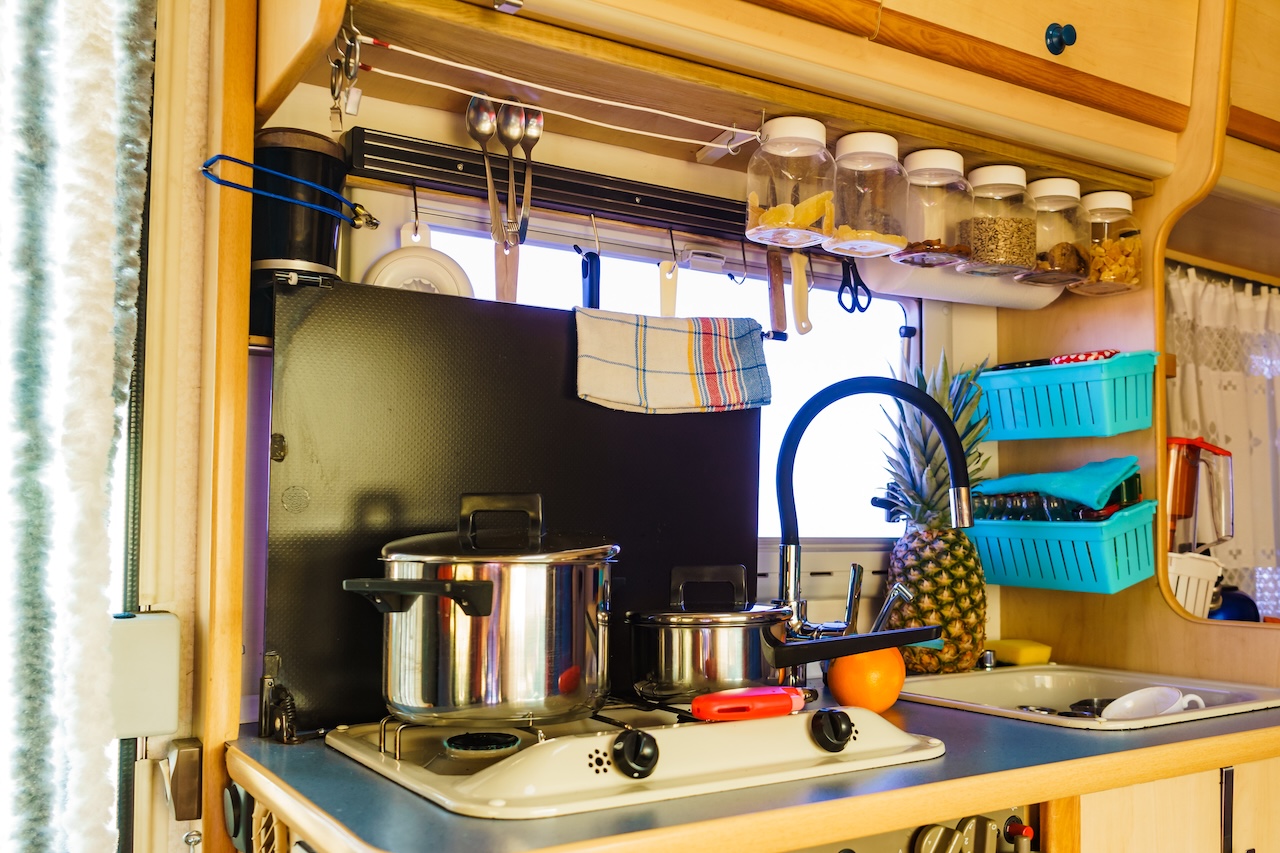
This is the biggest constraint when renting in winter. Many rental shops disable the vehicle's water supply and drainage systems (such as the sink) during winter.
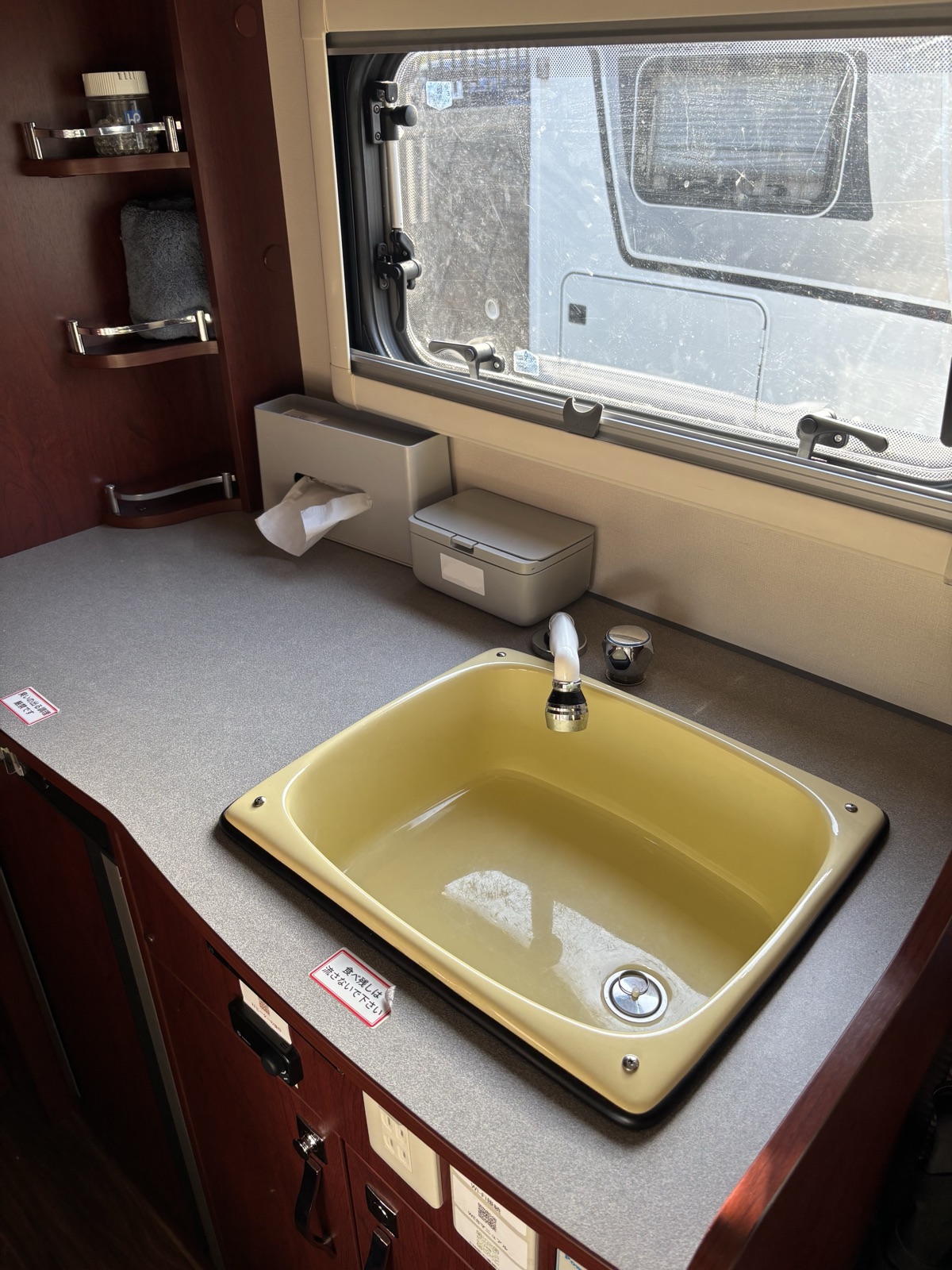
The reason is freezing. If water remains in the tank pipes or pump and freezes, it can damage the equipment. According to the shops we interviewed, this isn't unique to rentals — even many people who own their own campervan avoid using the water system in winter.
That said, this rarely causes real trouble during your trip.
Since campervan trips already involve using outside facilities quite often, not being able to use the sink shouldn't feel like much of an inconvenience.
This is the most important checkpoint for winter rentals.
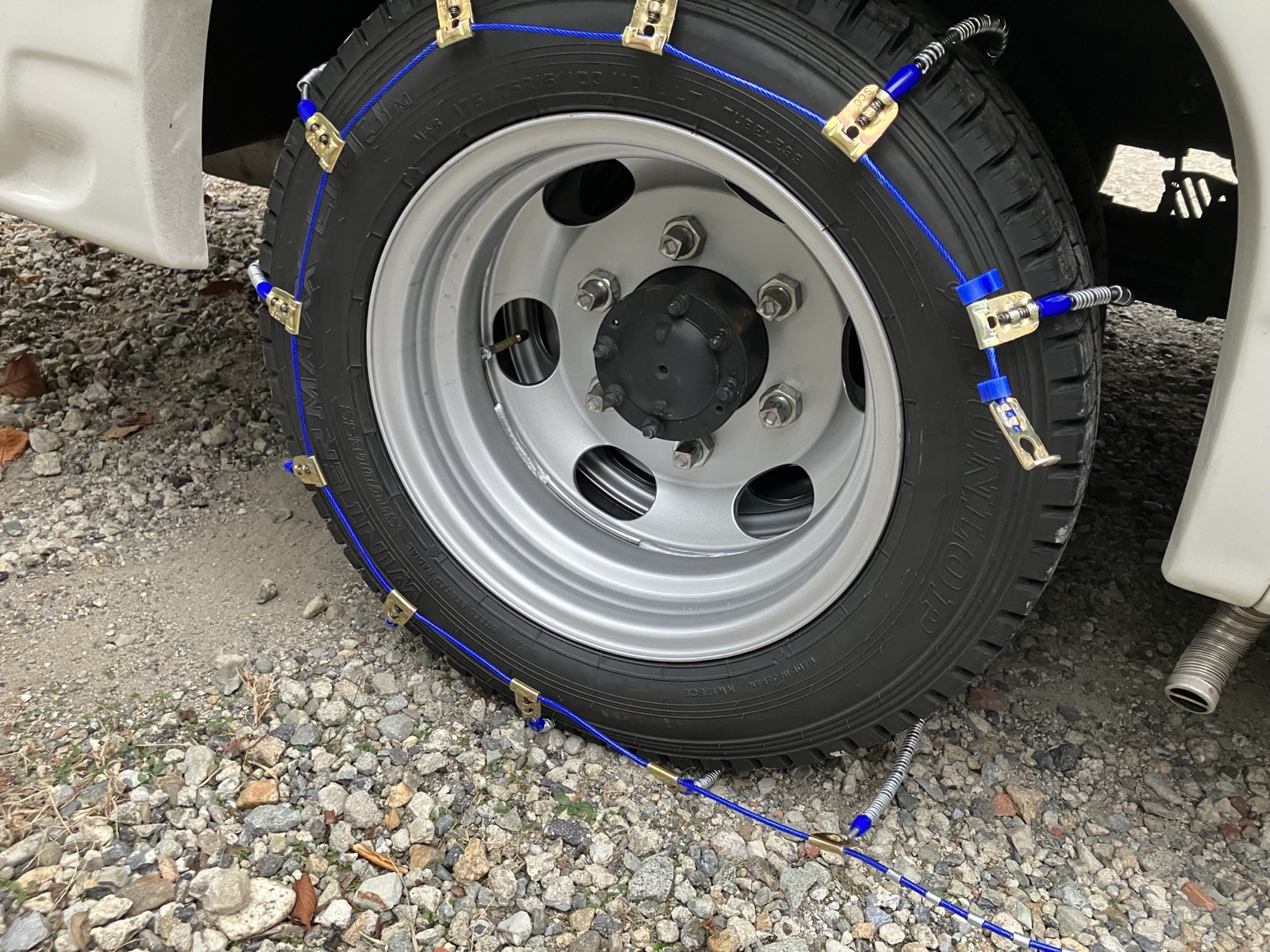
The shop we interviewed fits all its vehicles with studless (snow) tires as standard from December through March, and also offers tire chain rentals. However, some shops don't equip studless tires even in winter. At shops in areas with little snowfall, studless tires may be an optional extra, or may not be offered at all.
If you're planning a trip to a snowy region for skiing or hot springs with snow views, we strongly recommend confirming with the shop beforehand by asking, "Do your vehicles come with studless tires?" It's also a good idea to ask whether tire chains are available for rent.
Many customers worry that "driving a campervan on snowy roads sounds scary." So what's it really like?
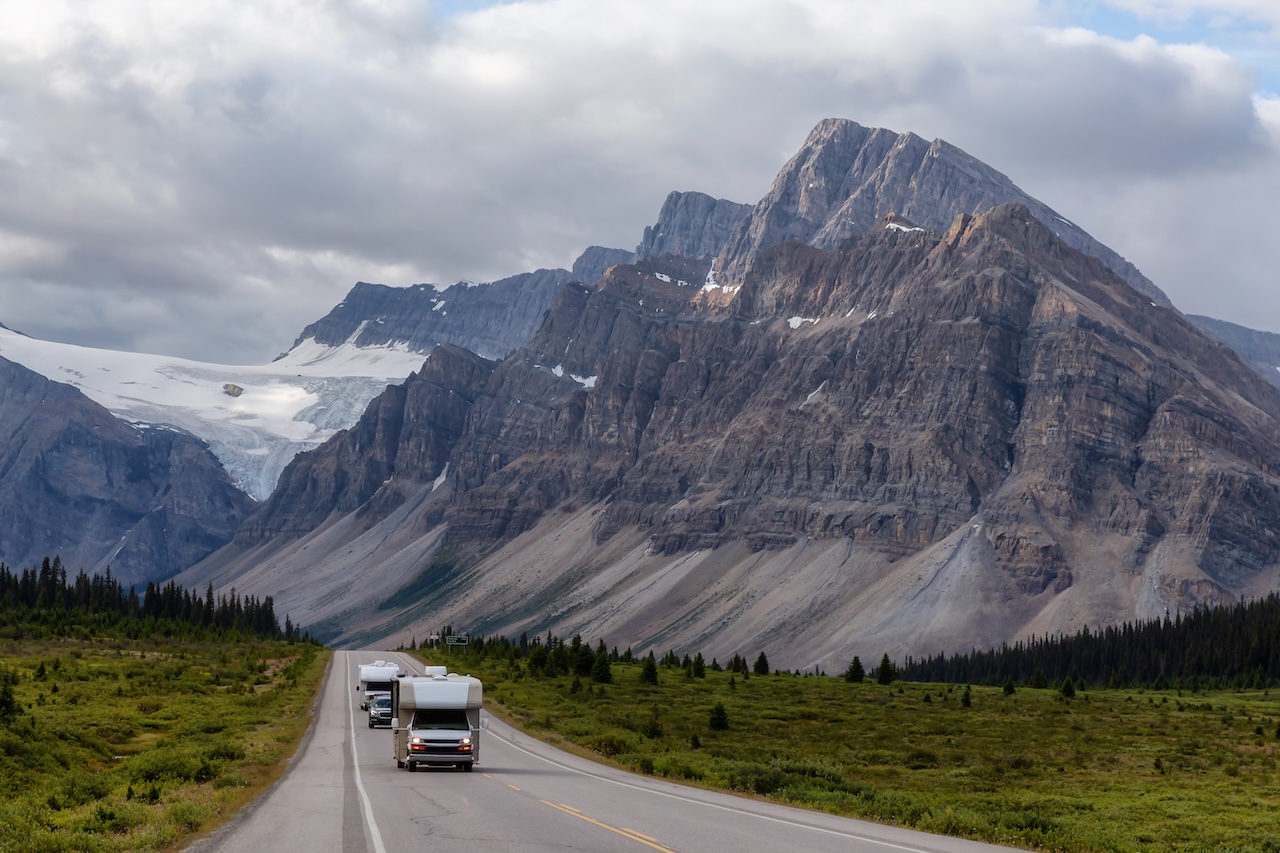
According to the owner of the shop we interviewed, a campervan fitted with studless tires actually grips the snow well thanks to its heavier weight. It reportedly feels more stable and less prone to slipping than a lighter vehicle.
That said, there are clear points to be careful about.
In short, the key point for winter driving isn't so much the snowy road itself, but rather the combination of "a large vehicle body × roads narrowed by snow." The golden rule is simply to drive carefully.
If a ski resort's parking lot is close to the slopes, a campervan makes a wonderfully comfortable base for a ski trip. Here's a favorite way to spend the day, as practiced by the owner of the shop we interviewed:
Ski in the morning, then head back to the campervan for lunch.
Inside the vehicle, you can stretch your legs out and take off your ski boots. It's a much better rest than eating at a crowded slope-side restaurant, which means you'll have plenty of energy to keep skiing in the afternoon.
There are also plenty of rental shops in ski regions. Our site features 37 shops in Hokkaido, along with listings in snowy regions such as Yamagata, Nagano, and Gunma.
Since the FF heater keeps the interior warm, winter is also a great time for touring hot springs. These days, some hot spring inns have opened their own RV parks (parking spaces for campervans to stay overnight), letting you park right there, head straight into the inn's hot spring, and even enjoy a meal at the inn — the best of both worlds. You could even plan a trip along the Sea of Japan coast in winter chasing delicious crab dishes.
For rental shops, winter is the off-season. Popular vehicles that get booked out months in advance during summer vacation or Golden Week are often still available for last-minute booking in winter, giving you the freedom to choose carefully.
If you've been wanting to "try out a model you've always been curious about" or "travel at a relaxed pace away from the crowds," winter is actually the ideal season for it.
A warm interior, easy bookings, and the chance to enjoy both skiing and hot springs — as long as you keep these preparation tips in mind, winter is the perfect season for your first campervan experience.
Looking for a companion for your winter trip? → Search for campervans near you
You might also like
This article was created by the Campingcar Map editorial team, based on interviews with campervan rental shops listed on Campingcar Map and data listed on our site (as of August 2026, 473 shops and 1,184 vehicles nationwide).
 Sep 19, 2026
 Sep 18, 2026
 Sep 17, 2026
 Sep 16, 2026