
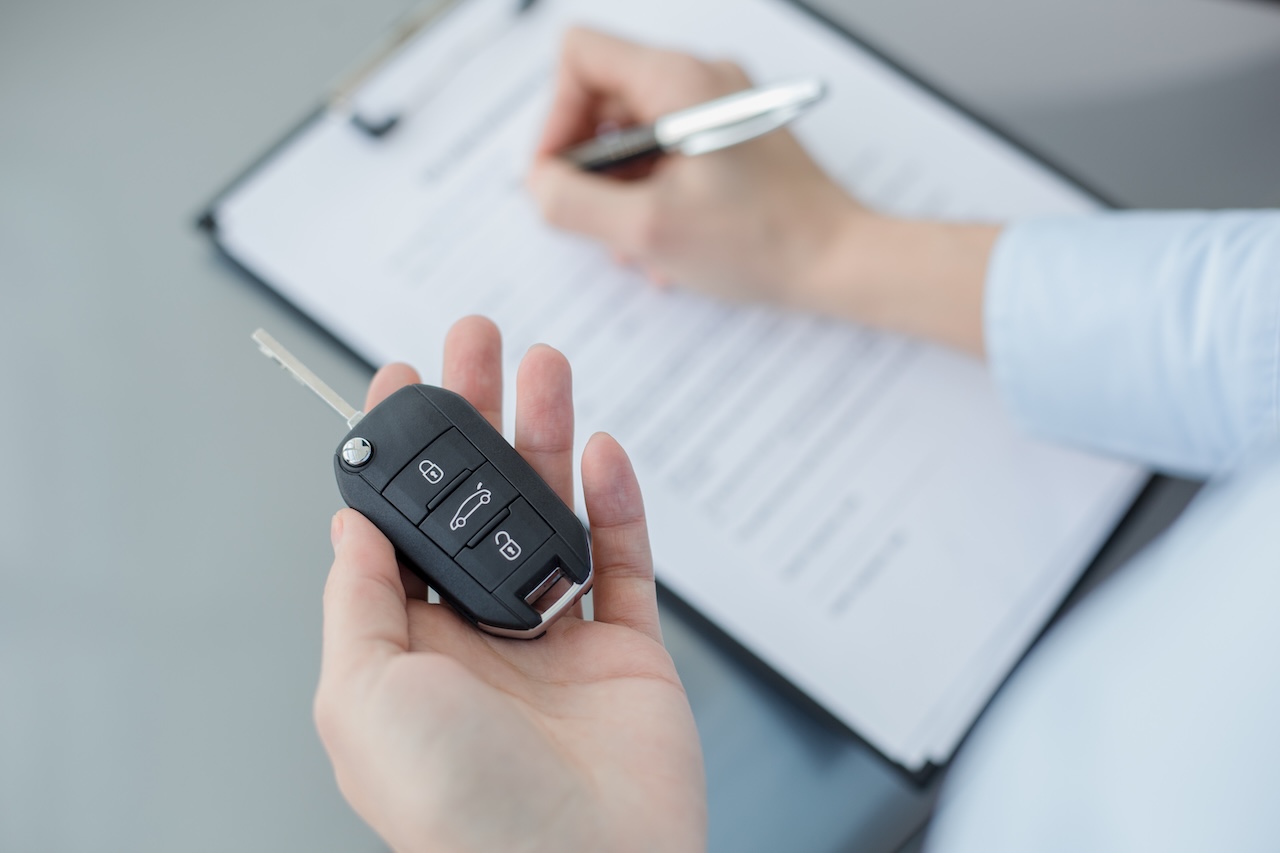
When renting a campervan for the first time, one thing that's surprisingly unclear is "what actually happens between arriving at the shop and driving off."
To get straight to the point, pickup takes about an hour (around 30 minutes even at quicker shops). This is different from the usual car rental experience of signing paperwork and driving off right away, because shops take real time to explain driving precautions and the vehicle's onboard equipment. As a result, by the time you leave, you'll feel confident that "I can drive this."
In this article, based on interviews with several rental shops listed on Campervan Map, we'll walk you through the day's schedule step by step.
First, see what vehicles are available → Search for campervans near you
At the shops we interviewed, customers are asked to arrive one hour before their scheduled departure time. Here's roughly what happens between arrival and departure.
| Step | Approximate time |
|---|---|
| Check-in and license verification | 5 minutes |
| Explanation of contract details, coverage, driving precautions, and equipment (done alongside paperwork) | 30–40 minutes |
| Exterior scratch check (with staff present) | 5 minutes |
| Departure | — |
For example, if your departure is booked for 9:00 AM, the explanation would begin around 8:00 AM. Even if this is before the shop's official opening hours, staff will often accommodate your scheduled departure time, so don't assume "there's no point going before opening." Just head over at the time you're told when booking.
How much time is spent on explanations differs from shop to shop, with some finishing in about 30 minutes. In addition, depending on the rental format, some shops offer unattended (self-service) pickup, in which case there's no advance explanation at all.
The advantage of unattended pickup is that you can leave sooner. On the other hand, the downside is that you won't get to hear directly about the driving precautions and risks specific to campervans, or how to use the onboard equipment. Which is better depends on the shop's approach and your own preference. When booking, it's worth asking, "Is there an explanation at pickup?" and considering whether you'd like one — this is a good point to factor into choosing a shop.
Some customers say, "I want to leave quickly, so you can skip the explanation," but at the shops we interviewed, the explanation is never skipped. The reason is that the content directly relates to safe driving and protecting the customer themselves (repeat customers who have rented many times before are an exception).
The same applies if you arrive later than scheduled — some customers arrive 30 minutes late, or even an hour late if coming from far away — but the explanation isn't shortened to make up for the delay. If you think you might be running late, it's best to contact the shop early, and after arriving, plan for the full explanation time regardless.
The first thing done at check-in is verifying driver's licenses. Shops typically make copies, and you'll need one for everyone who plans to drive. If a passenger plans to take turns driving, don't forget to bring their license too.
One shop we interviewed shared an example of a case where they couldn't rent out the vehicle. It wasn't a case of forgetting a license — rather, the vehicle required a quasi-medium license, but both the driver and all passengers only had regular licenses.
That customer had previously rented a campervan drivable with a regular license at a different shop, and had assumed "a regular license is fine for campervans" without carefully reading the website before booking. The shop's website clearly stated the required license class, but in this case it was treated as a same-day cancellation, and a cancellation fee was charged.
The required license differs by vehicle. Be sure to check the license class listed on the vehicle's page before booking. For more details, see Can you drive a campervan with a regular license?
The shops we interviewed prepare explanatory materials, but instead of just handing them over and saying "please read this," they go through each item one by one, explaining it verbally together with you. Paperwork for the rental agreement (which doubles as the contract) is filled out during this time.
The explanation typically proceeds in this order:
First, the shop confirms the contract details, the coverage system such as collision damage waiver, and what to do if an accident occurs. This comes before talk of driving or equipment — the order prioritizes understanding "what happens if something goes wrong." The details of coverage are explained in An easy guide to campervan insurance and coverage.
The longest part of the explanation covers driving precautions. Shops handling cab-conversion campers (truck-based vehicles with a living space built on top) always emphasize that speed should be kept under 80 km/h. Beyond that, staff explain the specific quirks of each vehicle, such as ride height, crosswind sensitivity, and reversing precautions.
Driving precautions are covered in more detail in a separate article: What's different about driving a cab-conversion camper.
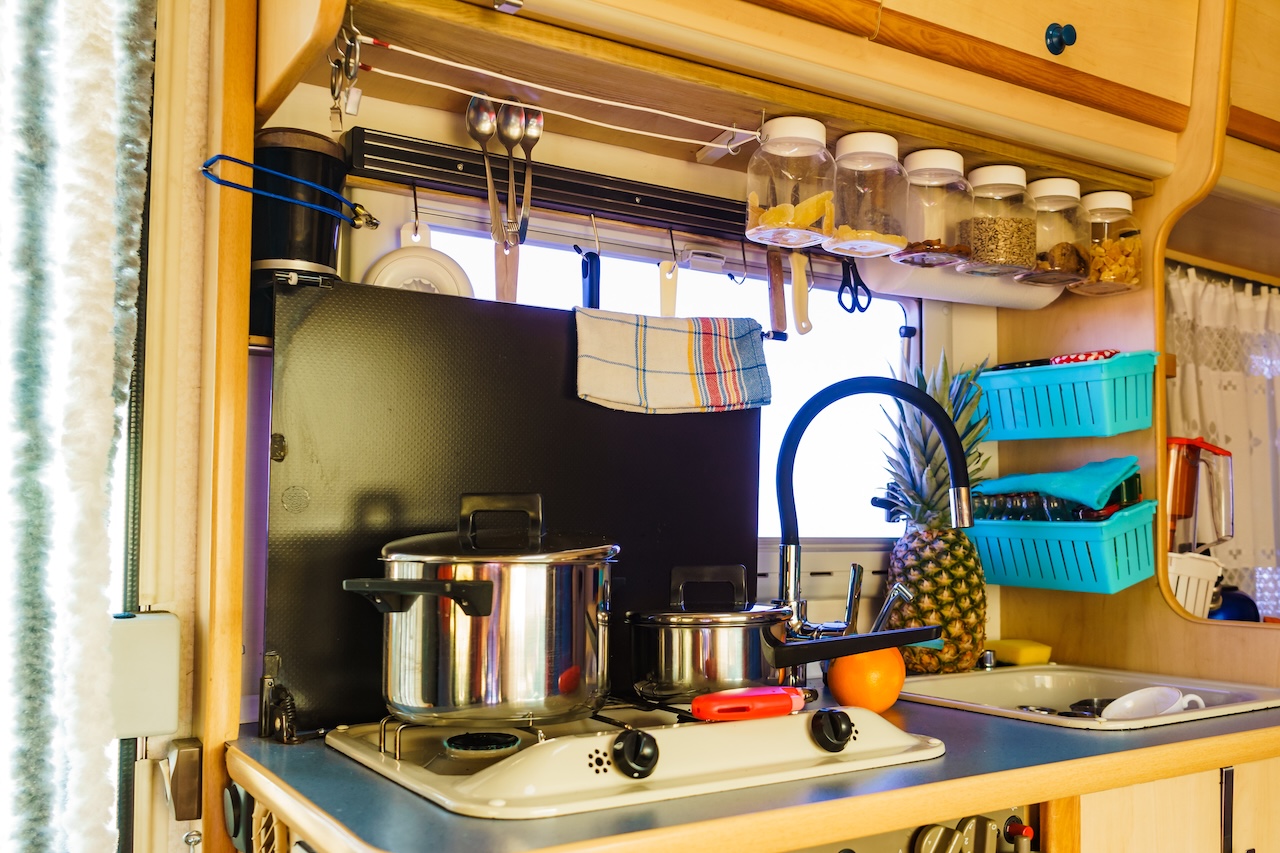
Next, staff go inside the vehicle with you and explain how to use the equipment while looking at the real thing. This includes setting up the bed, the FF heater (a heating system that works even with the engine off), the power system, and water supply/drainage — going through everything the vehicle has, hands-on.
Finally, you and the staff check the exterior of the vehicle together. Staff photograph any existing scratches or dents, and it's a good idea to take your own photos with your smartphone of anything that concerns you. This step protects both parties from disputes at return time over whether a mark was there from the start.
Whether a deposit is required varies by shop. Some of the shops we interviewed rent out vehicles with no deposit at all. Be sure to check the details provided at booking.
Once the explanation is finished, it's finally time to depart. At the shops we interviewed, staff always say, "Please drive slowly at first, okay?" right before you leave.
These vehicles are bigger, heavier, and taller than a regular car. By deliberately driving slowly for the first few kilometers after leaving the shop, you'll get a feel for the vehicle's width and how the brakes respond.
Calls from customers after departure aren't especially common, but one example the shops we interviewed mentioned was: "The inverter breaker tripped when I used the air conditioner and microwave at the same time."
The inverter is a device that converts the vehicle battery's electricity into a form usable with standard household outlets. Using high-power devices at the same time trips the breaker as a safety measure. This is something you're told in advance — "don't use them simultaneously" — so it's a good idea to also ask how to reset it during the explanation, just in case.
Once you know the flow of the day, pickup stops feeling like "paperwork" and becomes "preparation time so you can set off with confidence."
Looking for a vehicle to rent? → Search for campervans near you
You might also like
This article was created by the Campervan Map editorial team, based on interviews with several campervan rental shops listed on Campervan Map. Procedures and required time may vary by shop.
 Sep 16, 2026
 Aug 10, 2026
 Apr 6, 2026
 Apr 6, 2026